“King of kings and Lord of lords!
And He shall reign forever and ever!
Forever and ever!
Hallelujah! Hallelujah!”
--Hallelujah Chorus from Messiah
George Friedrich Handel was born in Halle, Germany, in February of 1685. He loved music. His father, however, wanted his son to study law, so he didn't allow Handel to practice any musical instrument. Handel was a bit rebellious. Now, if you think of yourself as a rebellious kid, this next bit will speak to you. Pay attention. You could be like Handel.
When he was little - under the age of eight - Handel somehow managed to find a small clavichord and sneak it into his attic to play quietly during the night.

How did he do this? Have you seen the size of clavichords? They're slightly smaller than an upright piano. I've never seen one in real life, but I imagine they're heavy. How did he sneak a clavichord into the attic before he was eight years old? Perhaps more importantly, how did he get the clavichord? Was it a gift? Did he buy it with his father's credit card? How was he not discovered?
It's a mystery. Which I find extremely upsetting.
At any rate, it was because of this nightly practice that, at age eight, he walked up to the organ at church and began to play out of the blue. It was shocking, particularly to his family, that he could play well, considering his age and the fact that his father was so opposed to music.
I think they found the clavichord at this point.

Years later, Handel went into law school according to the wishes of his father. But of course, he preferred music, so he decided to follow his dream. He moved to Hamburg, Germany, where he studied music and composed his first opera.
In 1706, he traveled to Italy, where he really began his musical career. He met famous composers, discovered his style of music, and began composing for the church and theater.
After Italy, he traveled to many different cities and composed and learned and became better and better until 1711, when he settled in London, England. There, he began composing for the Queen's Theater. In 1727, he completed the process of naturalization and became an English citizen.
 |
| London in the 1710s |
He actually did really well as a composer. People liked his stuff (and no wonder; so do I). In 1717. he was even commissioned by King George I himself! George-the-king asked George-Handel to compose music to be played on the water, in boats. So Handel did.

He called it The Water Music. Imagine that. But actually, The Water Music, made up of three orchestral suites, is really fun both to listen to and to play in an orchestra. So I don't really mind that Handel didn't use much imagination in its title. He had to use his brainpower on music, not titles.
So he kept on building popularity with his oratorios and concertos and orchestral suites, but especially opera. He did a lot of opera.
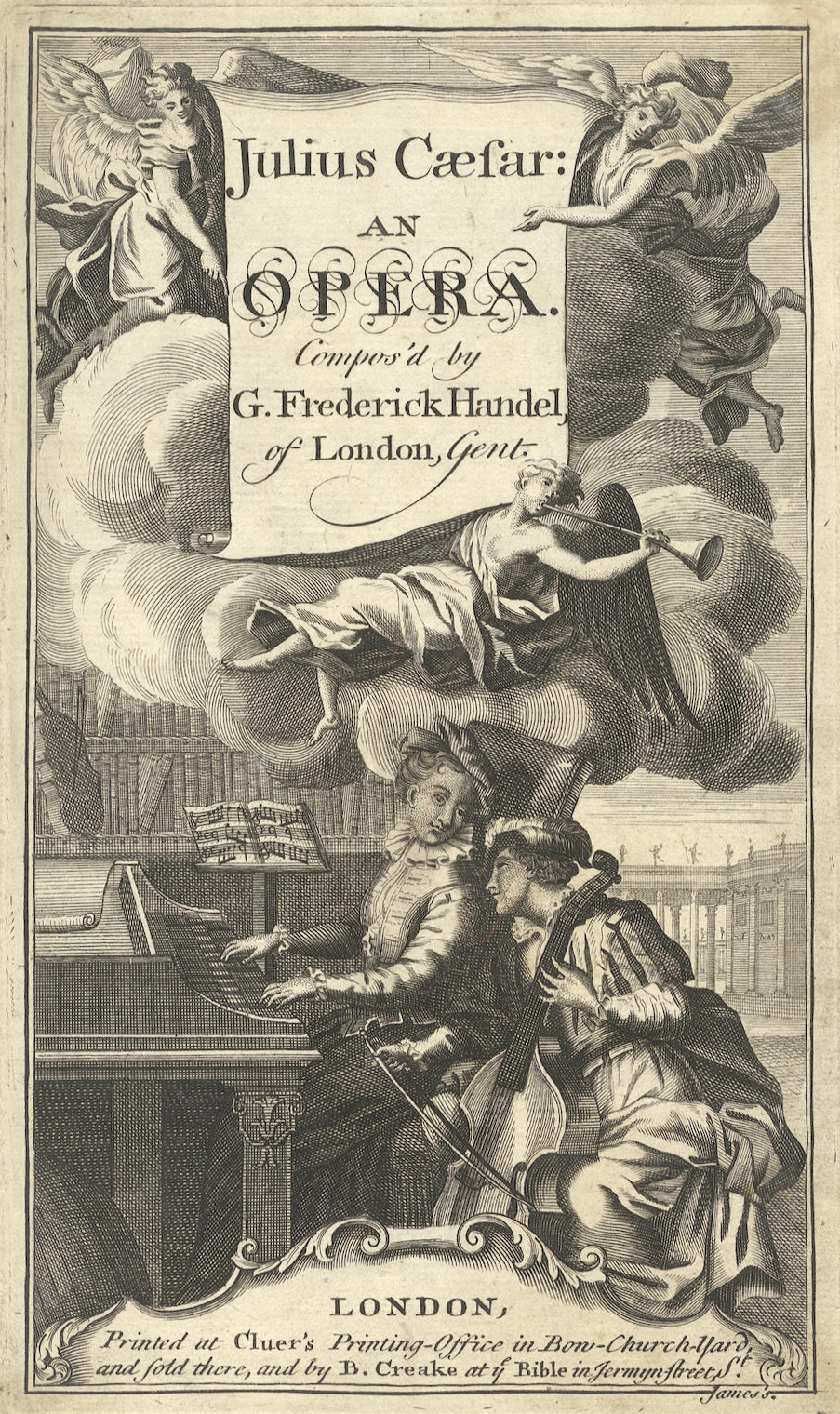
And then opera started to become unpopular.
Try as he might, Handel couldn't compete against unpopularity. He did his best, and wrote so much music it's really quite amazing, but he began to lose money. Soon, he was in debt and his compositions were becoming increasingly unpopular.
In the late 1730s, Handel suffered a stroke, paralyzing his right arm and causing brain damage. Most people gave up hope of him ever composing again, but he would not allow this to happen to him. He pushed through and later said, "I have come back from Hades."

In 1741, Handel was asked to write the music to an oratorio written with scriptures praising Jesus Christ and His life. Over the course of 23 days, working all day and night without rest, Handel wrote 260 pages of music. The quick writing and lack of mistakes in his drafts suggest inspiration from God in the composition. On the original manuscript, he wrote, “Soli Deo gloria” - “Glory to God alone.” He said after its completion, “God has visited me.”
He titled it, Messiah.
The oratorio’s premiere was a wild success. The proceeds of the performance went on to free 142 men from debtor’s prison. It was performed annually to financially benefit a Foundling Hospital until Handel’s death in April 1759. Even today, Messiah is one of the most popular pieces of music ever written.
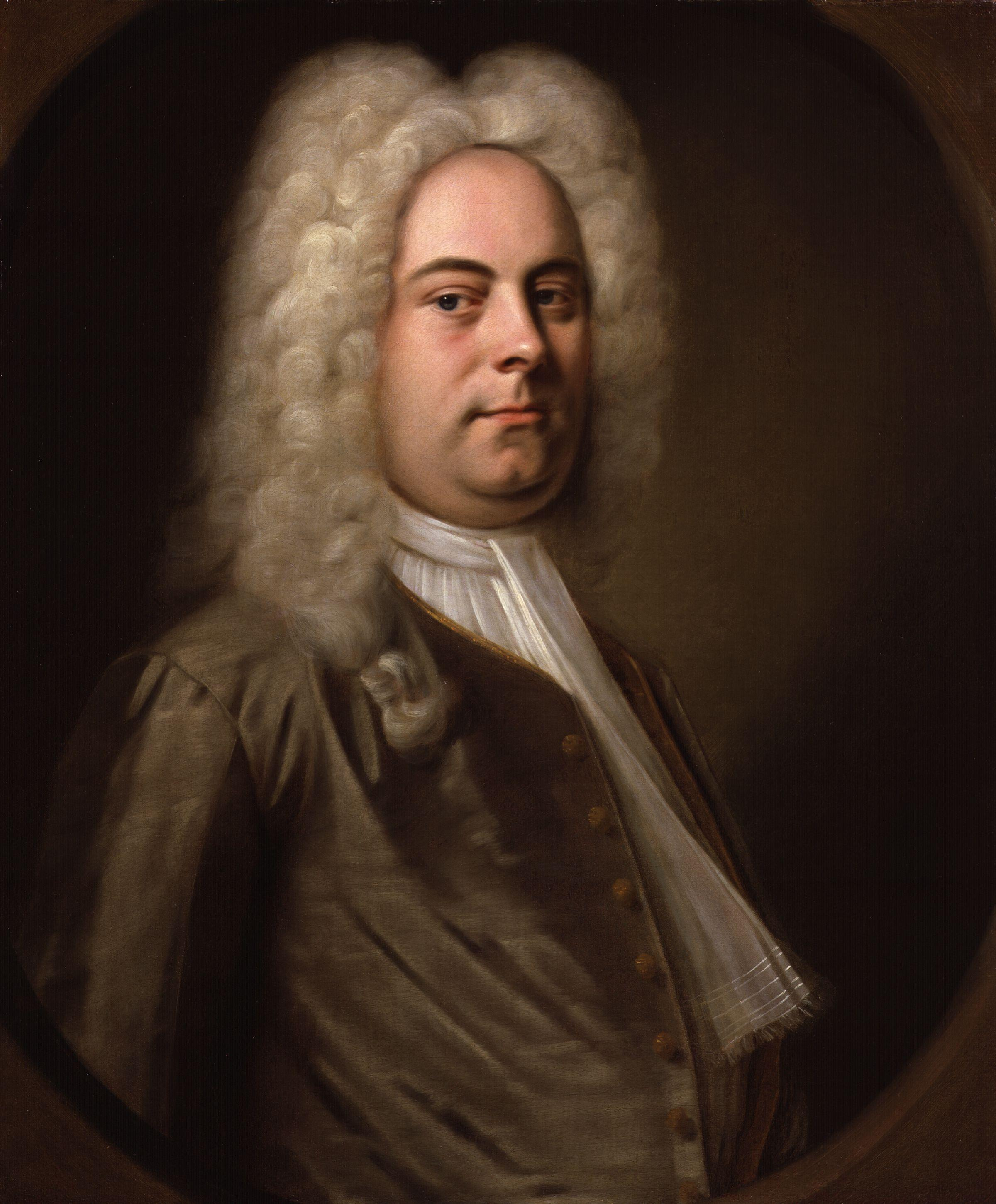
Handel's story really inspires me. Something about his music and his life seems so important. Everything seems to lead up to Messiah, and its divine inspiration seems particularly poignant. I can't say everything I want to - I don't seem to have the right words. But maybe listen to Messiah and study more about Handel. Maybe you'll understand what I mean.
Have a Smiley Day!
Sources -
http://gfhandel.org/handel/biography.html
Handel, Who Knew What He Liked, by M. T. Anderson and Kevin Hawkes
https://www.thetabernaclechoir.org/messiah/george-frideric-handel-a-brief-history.html
Handel's Messiah, 2014 - directed by Lee Groberg
Handel and the Gift of Messiah, By Elder Spencer J. Condie - https://www.churchofjesuschrist.org/study/ensign/2010/12/handel-and-the-gift-of-messiah?lang=eng
https://www.bsomusic.org/stories/5-things-you-might-not-know-about-handels-messiah/

No comments:
Post a Comment